Introduction to Vertical Wood Pellet Technology
The increasing demand for renewable energy has encouraged more industries to explore efficient biomass processing solutions. Wood pellets have become an important renewable fuel source because they offer advantages such as high energy density, convenient storage, and cleaner combustion performance.
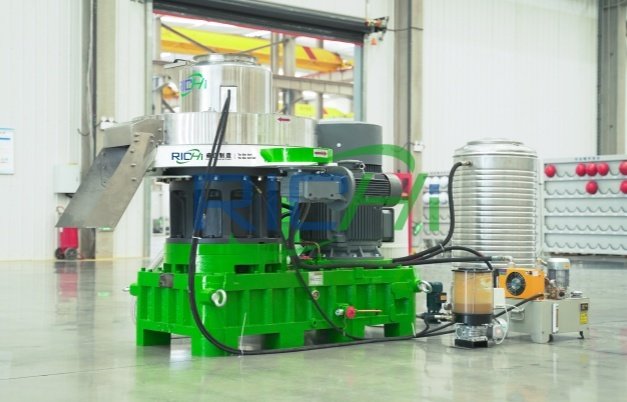
A modern vertical wood pellet machine provides an effective method for converting biomass materials into high-quality fuel pellets. Unlike traditional horizontal pellet equipment, vertical designs feature a unique feeding structure and optimized compression system, allowing materials to enter the pelletizing chamber more efficiently.
With the development of biomass energy markets, businesses are seeking reliable pellet equipment that can provide stable production, lower maintenance requirements, and improved operational efficiency. Advanced vertical pellet technology helps manufacturers produce consistent pellets from various wood-based materials.
The Importance of Efficient Wood Pellet Production
Utilizing Renewable Biomass Resources
Wood processing industries generate large amounts of biomass residues, including sawdust, wood chips, shavings, and other by-products. Without proper utilization, these materials may become waste and create additional management costs.
Pellet production technology transforms these residues into valuable renewable fuel products. By compressing loose biomass into dense pellets, manufacturers can improve transportation efficiency and create products suitable for residential heating, industrial boilers, and biomass energy applications.
A professional pellet production system helps businesses maximize the value of available resources while supporting environmentally friendly energy development.
Meeting Growing Biomass Energy Demand
As industries search for alternatives to fossil fuels, demand for biomass pellets continues to increase. Stable and efficient production equipment has become essential for companies entering the renewable energy market.
Modern pellet machines provide improved control over production parameters, helping manufacturers achieve consistent pellet quality and meet different market requirements.
How Vertical Wood Pellet Machines Work
Material Preparation Process
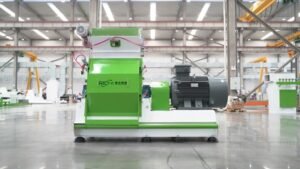
Before pelletizing, biomass materials require proper preparation. Raw materials must typically be crushed, dried, and conditioned to achieve suitable moisture content and particle size.
Proper preparation improves pellet formation and reduces production problems. Consistent raw material conditions help maintain stable operation and improve the quality of finished pellets.
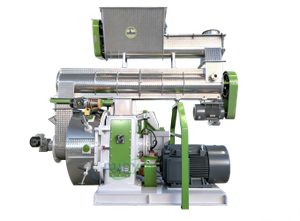
A complete biomass processing system may include crushing equipment, drying systems, pelletizing machines, cooling units, screening equipment, and packaging systems.
Vertical Compression and Pellet Formation
The vertical design allows materials to enter the pelletizing chamber from the upper section. Under the pressure generated by rotating rollers and the die structure, biomass materials are compressed into cylindrical pellets.
This design provides efficient material flow and reduces uneven feeding issues. The vertical structure also helps improve equipment stability during continuous production.
For businesses requiring industrial-level solutions, a vertical ring die pellet machine for sale can provide high-capacity production capabilities and reliable performance for different biomass applications.
Advantages of Vertical Wood Pellet Equipment
Improved Production Stability
Vertical pellet machines are designed for stable operation under continuous working conditions. Their optimized feeding structure helps maintain consistent material distribution and reduces production interruptions.
Stable operation is especially important for commercial pellet manufacturers that require reliable output and consistent product quality.
Lower Maintenance Requirements
The structural design of vertical pellet equipment can reduce certain wear issues compared with traditional systems. Proper design of key components helps improve service life and reduce maintenance frequency.
For businesses operating large production facilities, equipment reliability directly affects production efficiency and operating costs.
Producing High-Quality Biomass Pellets
Pellet quality depends on factors such as density, durability, moisture content, and uniformity. Advanced vertical pellet machines provide effective compression performance to create durable pellets.
High-quality pellets are easier to transport, store, and use, making them more competitive in renewable energy markets.
Choosing the Right Vertical Pellet Production Solution
Considering Production Requirements
Selecting suitable pellet equipment requires evaluating several factors, including raw material types, production capacity, energy consumption, available factory space, and final product requirements.
Different biomass materials may require different processing methods. A customized equipment solution helps businesses achieve better production efficiency and product quality.
Professional manufacturers can analyze project conditions and recommend appropriate machine configurations based on actual needs.
Working with Experienced Pellet Equipment Manufacturers
A reliable supplier should provide complete technical support, including equipment selection, production line design, installation guidance, and after-sales service.
Companies researching biomass pellet production solutions can visit the best site to learn more about equipment specifications, processing technologies, and industry applications.
With extensive experience in biomass processing equipment manufacturing, pellet line solutions from professional suppliers help businesses establish efficient production systems. Complete engineering support allows customers to build reliable pellet plants for different biomass materials.
Applications of Vertical Wood Pellet Machines
Biomass Fuel Production
The primary application of vertical wood pellet machines is renewable fuel production. Wood pellets are widely used in residential heating systems, industrial boilers, and biomass power generation projects.
Their compact size and high energy density make them convenient for storage and transportation.
Wood Processing Industry Recycling
Woodworking factories and sawmills can use pellet equipment to recycle production waste. Instead of disposing of sawdust and wood residues, businesses can convert them into valuable fuel products.
This creates additional income opportunities while improving resource utilization efficiency.
Future Development of Vertical Pellet Technology
The future of biomass pellet production will focus on automation, intelligent monitoring, and energy-efficient equipment design. Advanced control systems will help manufacturers improve production accuracy and reduce operating costs.
As renewable energy adoption continues to grow, efficient pellet production technology will become increasingly important. Vertical pellet machines will continue evolving to provide better performance, higher efficiency, and greater adaptability.
Businesses investing in modern biomass pellet solutions can benefit from improved resource utilization, expanded market opportunities, and stronger competitiveness in the renewable energy sector.
Conclusion
A vertical wood pellet machine provides an efficient and reliable solution for converting biomass materials into valuable pellet fuel. Through advanced compression technology and optimized design, businesses can achieve stable production and high-quality pellet output.
By selecting suitable equipment, developing customized production systems, and cooperating with experienced manufacturers, companies can establish efficient biomass pellet operations. As demand for renewable energy continues to increase, vertical pellet technology will remain an important part of sustainable energy development.
View details: https://www.richimanufacture.com/vertical-wood-pellet-machine/