Aquaculture has become one of the most important food production industries in the world. As the demand for seafood continues to rise, fish farmers are facing increasing pressure to improve productivity while maintaining environmental sustainability.
One of the biggest challenges in aquaculture is achieving efficient feeding. Feed represents a significant part of farming costs, and poor feed quality can negatively affect fish growth, water quality, and profitability.
Modern extrusion technology provides an effective way to solve these challenges. By using advanced processing methods, manufacturers can produce aquatic feed with better nutritional performance, improved stability, and suitable sinking characteristics.
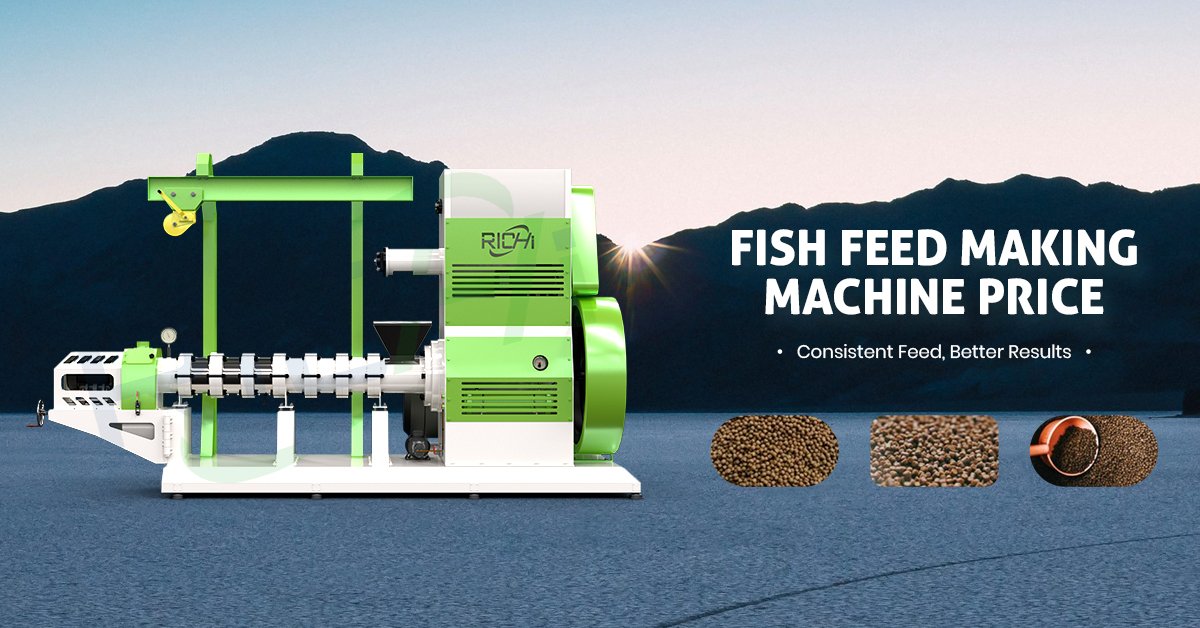
A reliable sinking fish feed extrusion machine allows feed producers to manufacture high-quality sinking pellets that meet the specific requirements of different fish species and farming systems.
The Role of Feed Technology in Modern Aquaculture
In traditional aquaculture systems, farmers often focused mainly on fish breeding techniques and pond management. However, as farming scales increase, feed management has become equally important.
The quality of feed determines:
- How efficiently fish absorb nutrients
- How quickly fish reach market size
- How much waste enters the water
- How profitable the farming operation becomes
High-quality aquatic feed helps farmers achieve better results with fewer resources.
This is why commercial feed manufacturers continue investing in improved production technology.
Understanding Sinking Fish Feed
Sinking feed is specially designed for aquatic species that prefer feeding below the water surface.
Unlike floating pellets, sinking pellets have higher density and gradually move downward after entering the water.
This feeding method provides several benefits.
Suitable for Bottom-Feeding Species
Many fish species naturally search for food in lower water areas.
Sinking pellets match their natural feeding behavior and improve feed acceptance.
Reduced Feed Loss
Because pellets remain underwater, they are less affected by wind and water movement.
This helps farmers better control feeding amounts.
Improved Farming Efficiency
Better feed utilization can lead to:
- Faster growth
- Lower feed costs
- Cleaner water conditions
The Science Behind Extruded Aquatic Feed
Extrusion is a highly controlled processing method that combines heat, pressure, and mechanical action.
During extrusion:
- Raw materials are mixed evenly.
- Moisture is added according to formula requirements.
- Materials are compressed inside the extruder.
- Pellets are shaped through customized dies.
- Finished products are dried and stabilized.
This process improves the physical and nutritional characteristics of feed.
Advantages of Using Extrusion Technology
Improved Digestibility
Heat treatment during extrusion helps modify starch structures and improves nutrient availability.
Fish can utilize feed more effectively, reducing unnecessary waste.
Better Pellet Durability
Aquatic feed must remain stable after entering water.
High-quality extrusion creates pellets that resist rapid breakdown.
This reduces:
- Nutrient loss
- Water pollution
- Feeding inefficiency
Customized Feed Production
Different aquatic species require different pellet sizes and formulations.
Extrusion systems provide flexibility for producing:
- Small fry feed
- Grow-out feed
- Specialized fish feed
Complete Production Flow of Sinking Fish Feed
A professional feed factory includes several important processing steps.
Ingredient Preparation
Raw materials are selected according to nutritional requirements.
Typical ingredients include:
- Fish meal
- Soybean products
- Corn
- Wheat
- Protein concentrates
- Mineral additives
Proper preparation ensures stable feed quality.
Grinding
Grinding reduces ingredient size and improves mixing performance.
Fine particles allow better nutrient distribution and smoother extrusion.
Mixing
A uniform mixture is essential for consistent pellets.
Modern mixers ensure every batch contains accurate ingredient proportions.
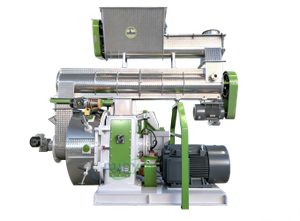
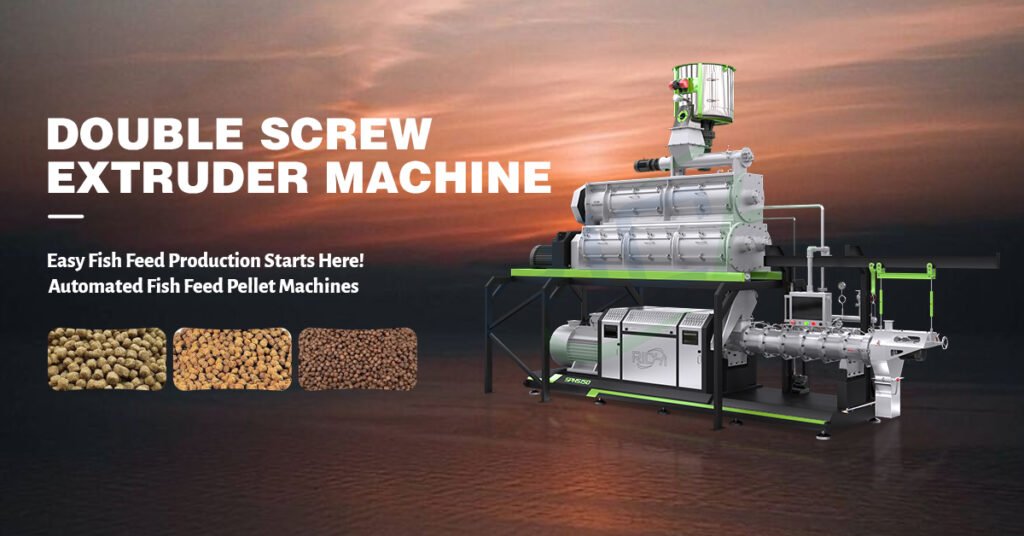
Extrusion
The extrusion process forms the final pellet structure.
Machine parameters such as:
- Temperature
- Pressure
- Moisture
- Screw speed
directly influence product quality.
For companies expanding aquatic feed production, equipment such as the 3-4 T/H shrimp feed machine for sale can provide higher output capacity for commercial markets.
Drying
Fresh pellets contain moisture after extrusion.
Drying improves:
- Storage performance
- Pellet hardness
- Product stability
A suitable drying system is essential for maintaining feed quality.
Cooling and Packaging
After drying, pellets are cooled before packaging.
This prevents condensation and improves shelf life.
Why Aquaculture Companies Need Professional Feed Equipment
The success of a feed factory depends on more than production capacity.
Equipment quality affects:
- Production stability
- Energy consumption
- Maintenance costs
- Final product quality
Professional manufacturers provide complete solutions instead of individual machines.
These solutions usually include:
- Production line design
- Equipment selection
- Installation support
- Technical training
Experienced suppliers understand different market requirements and can customize solutions accordingly.
Choosing the Correct Production Capacity
Different businesses require different production scales.
Small Feed Producers
Small factories usually serve local fish farms and require flexible production.
Medium Aquaculture Suppliers
Medium companies need stable output and efficient operation.
Large Feed Manufacturers
Large enterprises require continuous production and advanced automation.
When planning a new project, investors often compare equipment options such as the 2-3 T/H shrimp feed pellet machine for sale to balance investment and market demand.
Correct capacity planning prevents production limitations and improves return on investment.
How Automation Improves Feed Factory Performance
Technology is changing modern feed manufacturing.
Advanced systems now include:
Automatic Control
Operators can monitor the entire production process through centralized systems.
Intelligent Feeding
Automatic feeding improves production stability.
Real-Time Monitoring
Production data helps managers optimize performance.
Safety Management
Automatic protection systems reduce equipment risks.
Automation allows factories to produce consistent feed with improved efficiency.
Sustainable Benefits of Better Feed Production
Efficient feed technology supports sustainable aquaculture development.
Benefits include:
Reduced Resource Consumption
Better nutrient utilization means less feed is required.
Cleaner Water Environment
Stable pellets reduce unnecessary waste.
Higher Production Efficiency
Farmers can achieve better output with optimized feeding.
Lower Environmental Impact
Improved feed production contributes to responsible aquaculture.
The Future of Aquatic Feed Manufacturing
The aquatic feed industry is expected to continue evolving.
Future developments may include:
- More intelligent production systems
- Improved feed formulas
- Greater automation
- Sustainable raw materials
- More specialized aquatic diets
As fish farming becomes more advanced, feed production technology will play an increasingly important role.
Manufacturers and investors can look at this website to explore additional information about modern aquatic feed processing solutions and industry development trends.
Why Experience Matters When Selecting a Supplier
Choosing the right supplier can influence the entire project lifecycle.
Important factors include:
- Engineering capability
- Equipment reliability
- Technical service
- Industry experience
A professional supplier should understand both machinery and aquaculture requirements.
Companies working with Richi Pellet Mill benefit from customized engineering solutions designed for different production capacities and aquatic feed applications.
Conclusion
Efficient feed production is the foundation of successful aquaculture development.
A modern sinking fish feed extrusion machine helps manufacturers produce stable, nutritious, and high-performance sinking pellets for different fish farming systems.
By combining advanced extrusion technology, proper production planning, and professional equipment support, businesses can improve efficiency, reduce waste, and build competitive aquatic feed production operations.
(Related Post: https://www.richipelletmill.com/twin-screw-fish-feed-extruder/)
With solutions provided by experienced companies such as Richi Pelletizer, aquaculture businesses can develop reliable feed manufacturing systems that support sustainable growth in the global seafood industry.