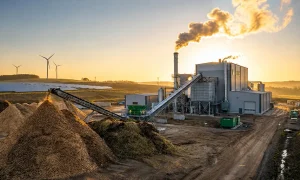
Sawdust is one of the most common biomass wastes generated from woodworking industries, furniture factories, sawmills, and timber processing plants. Traditionally, large amounts of sawdust were burned openly, discarded, or stored in piles, causing environmental problems and wasting valuable energy resources. With the increasing demand for renewable energy and sustainable fuel alternatives, sawdust has become an important raw material for producing biomass pellets.
The sawdust pellet production process converts loose sawdust into dense, uniform, and high-energy biomass pellets through a series of mechanical treatments. These pellets can be used as heating fuel for industrial boilers, household heating systems, power plants, and other applications. A complete production process usually includes raw material preparation, crushing, drying, pelletizing, cooling, screening, and packaging.
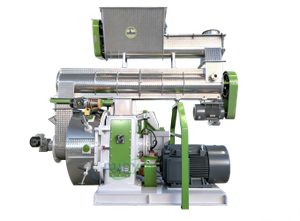
A key piece of equipment in this process is the sawdust pellet mill, which compresses prepared sawdust into cylindrical pellets under high pressure. By using advanced pelletizing technology, the machine improves fuel density, combustion efficiency, and storage convenience. Understanding each stage of sawdust pellet production is essential for investors who want to establish an efficient biomass pellet plant.
1. Raw Material Collection and Preparation
The first step in sawdust pellet production is collecting and preparing suitable raw materials. Sawdust mainly comes from wood processing activities, including cutting, sawing, drilling, and sanding operations. Common sources include pine, oak, spruce, fir, bamboo, and other types of wood.
The quality of sawdust directly affects the final pellet quality. High-quality sawdust usually has the following characteristics:
- Low moisture content
- Limited impurities
- Suitable particle size
- High lignin content
- No chemical contamination
Clean sawdust from untreated wood is preferred because it produces pellets with better combustion performance and lower emissions. Sawdust mixed with paint, glue, or other chemicals should not be used for fuel pellet production.
Before entering the production line, collected sawdust needs to be inspected and pretreated. Large pieces of wood, stones, metal particles, and other impurities must be removed to protect downstream equipment and improve pellet quality.
2. Raw Material Cleaning Process
Although sawdust appears relatively clean, it may contain foreign materials during transportation and storage. Therefore, a cleaning process is necessary before pelletizing.
A cleaning system usually includes equipment such as magnetic separators, vibrating screens, and dust collectors. Magnetic separators remove metal particles that could damage the pellet machine, while vibrating screens separate oversized materials and impurities.
The cleaning process provides several benefits:
- Protects production equipment from damage
- Improves pellet appearance
- Reduces machine maintenance frequency
- Ensures stable pellet production
For large-scale sawdust pellet plants, an automatic cleaning system can significantly improve production efficiency and reduce manual labor requirements.
3. Sawdust Crushing and Size Reduction
After cleaning, the sawdust may require further size adjustment. Although sawdust is already a small particle material, some production lines still use a hammer mill to achieve a more uniform particle size.
A suitable particle size allows better compression during pelletizing. If particles are too large, they may reduce pellet strength and cause cracks. If particles are too fine, energy consumption during production may increase.
The hammer mill uses rotating hammers to crush materials into smaller particles. During operation, the raw material enters the crushing chamber and is repeatedly impacted until it reaches the required size.
The advantages of proper crushing include:
- Improved material flow
- Better pellet forming ability
- Higher pellet density
- Reduced pellet breakage
For different wood species and production capacities, the crushing requirements may vary. Professional pellet plant manufacturers usually design the crushing system according to the characteristics of the raw material.
4. Moisture Adjustment and Drying
Moisture content is one of the most important factors affecting sawdust pellet production. Proper moisture helps sawdust particles bind together during compression, while excessive or insufficient moisture can reduce pellet quality.
Generally, the ideal moisture content for sawdust pelletizing is around 10%–15%. Fresh sawdust from wood processing plants may contain too much moisture and needs drying before pellet production.
A rotary dryer is commonly used in large-scale production lines. During the drying process, hot air passes through the material and removes excess moisture. The drying system usually includes:
- Rotary dryer
- Hot air furnace
- Dust removal system
- Material conveying equipment
An efficient drying system helps maintain stable production and reduces energy consumption. For small pellet plants, naturally dried sawdust may sometimes be used if the moisture level already meets production requirements.
5. Sawdust Pelletizing Process
The pelletizing stage is the core process of sawdust pellet production. During this stage, loose sawdust is transformed into compact cylindrical pellets through mechanical compression.
The main equipment used is the sawdust pellet mill. This machine applies high pressure between the die and rollers to compress sawdust particles. Under pressure and friction, the natural lignin contained in wood softens and acts as a natural binder, helping particles stick together.
https://richipelletizer.com/sawdust-pellet-machine
The pelletizing process involves several steps:
- Prepared sawdust enters the pellet mill.
- Rollers press the material through die holes.
- Continuous cylindrical pellets are formed.
- A cutting system adjusts pellet length.
The performance of the pellet mill directly influences production efficiency and pellet quality. Modern pellet mills are designed with durable components, efficient transmission systems, and automatic control functions to ensure stable operation.
Important factors affecting pelletizing performance include:
Raw Material Quality
Clean and uniform sawdust improves pellet formation and reduces machine wear.
Moisture Content
Proper moisture helps create stronger pellets and improves production capacity.
Die Design
The compression ratio and hole size of the die determine pellet density and appearance.
Machine Pressure
Sufficient pressure ensures that sawdust particles are tightly bonded.
A well-designed sawdust pellet production line can produce high-density pellets with consistent size and excellent combustion performance.
6. Cooling and Hardening of Sawdust Pellets
Fresh pellets coming out of the pellet mill are hot and relatively soft because of the heat generated by friction during compression. They need to be cooled and hardened before further processing.
A pellet cooler reduces pellet temperature by using ambient air circulation. During cooling, excess moisture is removed, and the pellet structure becomes stronger.
Cooling is important because it:
- Improves pellet durability
- Prevents pellet deformation
- Reduces moisture condensation
- Extends storage life
Without proper cooling, hot pellets may easily break during transportation and packaging.
7. Pellet Screening and Quality Control
After cooling, pellets pass through a screening system to separate qualified pellets from broken particles and powder.
A vibrating screen is commonly used for this process. The screening equipment removes:
- Pellet dust
- Broken pellets
- Oversized pellets
The separated fine materials can usually be returned to the pelletizing process, reducing material waste.
Quality control is an essential part of sawdust pellet production. Manufacturers typically check several factors:
Pellet Density
High-density pellets provide better energy output and easier transportation.
Durability
Strong pellets should resist breakage during handling and storage.
Moisture Content
Proper moisture ensures stable combustion performance.
Size Uniformity
Consistent pellet size improves feeding efficiency in boilers and heating systems.
8. Packaging and Storage
The final stage of the sawdust pellet production process is packaging and storage. After screening, qualified pellets are transported to packaging equipment.
Packaging methods depend on the market and application. Small bags are commonly used for household heating fuel, while large bulk bags or automatic loading systems are suitable for industrial customers.
Proper storage conditions are necessary to maintain pellet quality. Sawdust pellets should be stored in:
- Dry warehouses
- Well-ventilated areas
- Moisture-protected environments
Although biomass pellets are more stable than loose sawdust, exposure to water can reduce their quality and cause swelling.
Automatic packaging systems can improve efficiency by reducing manual labor and ensuring accurate weighing.
9. Complete Equipment Required for Sawdust Pellet Production
A complete wood pellet line consists of multiple machines working together. The equipment configuration depends on raw material conditions, production capacity, and customer requirements.
Typical equipment includes:
- Raw material cleaning system
- Hammer mill
- Dryer system
- Conveyor system
- Storage bins
- Sawdust pellet mill
- Pellet cooler
- Vibrating screen
- Packaging machine
- Dust collection system
For small-scale production, a simple pellet line may only require a crusher, pellet mill, and packaging equipment. For commercial pellet factories, a fully automated production system is preferred to achieve higher output and lower operating costs.
10. Advantages of Producing Pellets from Sawdust
Sawdust pellet production provides both economic and environmental benefits.
Renewable Energy Solution
Wood pellets are a renewable alternative to fossil fuels such as coal and oil. They help reduce dependence on traditional energy sources.
Waste Utilization
Turning sawdust into pellets reduces waste from the woodworking industry and creates additional income opportunities.
Easy Transportation
Pellets have higher density than loose sawdust, making storage and transportation more efficient.
Stable Combustion
High-quality sawdust pellets provide consistent heating performance and efficient combustion.
Lower Environmental Impact
Using biomass pellets can reduce greenhouse gas emissions compared with fossil fuels.
11. Factors to Consider When Building a Sawdust Pellet Plant
Investing in a sawdust pellet production facility requires careful planning. Several factors influence the success of the project.
Raw Material Availability
A stable supply of sawdust is essential. Investors should evaluate local wood processing industries and transportation costs.
Production Capacity
The required output determines equipment selection. Small plants may produce several hundred kilograms per hour, while industrial factories can reach several tons per hour.
Equipment Quality
Reliable equipment improves production stability and reduces maintenance costs. Choosing a professional manufacturer with engineering experience is important for large-scale projects.
Energy Consumption
Drying and pelletizing are the main energy-consuming processes. Efficient equipment design can reduce operational costs.
Market Demand
Before investment, businesses should analyze local demand for biomass fuel, including industrial boilers, power plants, and residential heating markets.
Conclusion
The sawdust pellet production process transforms wood waste into valuable renewable energy fuel through a series of carefully controlled steps, including cleaning, crushing, drying, pelletizing, cooling, screening, and packaging. Each stage plays an important role in determining pellet quality and production efficiency.
Among all equipment, the sawdust wood pellet mill is the core machine responsible for converting loose sawdust into high-density biomass pellets. With proper raw material preparation, advanced pelletizing technology, and an optimized production system, sawdust pellets can become an efficient, sustainable, and profitable energy solution.
As industries continue to focus on waste reduction and renewable energy development, sawdust pellet production will remain an important opportunity for biomass utilization and clean energy generation.