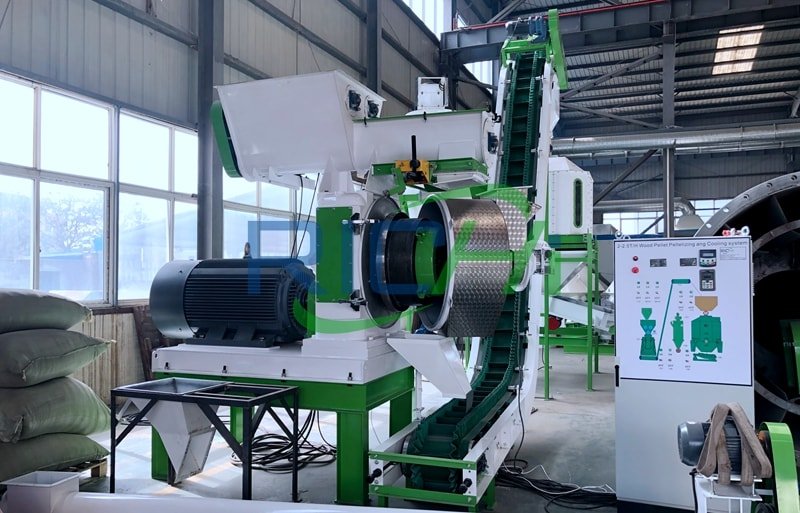
The Fundamentals of a Wood Pellet Mill Machine
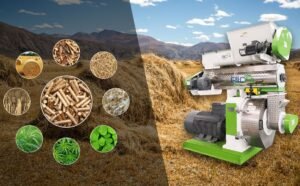
A wood pellet mill machine is the central processing unit in any biomass pelleting operation. It receives pre-conditioned wood material—properly sized and dried—and applies controlled compression and heat to form dense, cylindrical pellets. The quality of the finished pellet—its density, hardness, moisture content, and calorific value—is largely determined by the precision of the mill’s mechanical components and the accuracy of the feeding, conditioning, and pressing processes.
Planning Your Wood Pellet Plant
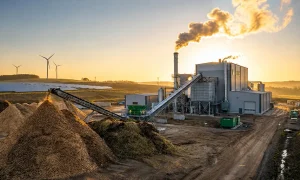
Before purchasing any equipment, a comprehensive wood pellet plant design study is essential. This study should map the entire production workflow, identify critical control points, specify utility requirements, and establish the layout for optimal material flow and safety. Site selection should consider proximity to feedstock supply, access to grid power (pellet mills are high-power consumers), water availability for dust suppression, and logistics for finished product distribution.
A well-planned plant minimizes material handling distances, reduces labor requirements through smart automation, and provides flexibility for future capacity expansion.
Key Components That Determine Machine Quality
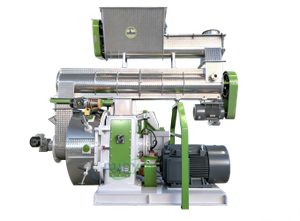
Quality differentiators in a wood pellet mill machine include the die material (alloy steel with precise heat treatment for hardness and wear resistance), roller surface treatment (chrome or tungsten carbide for extended life), bearing quality and sealing (critical for contamination resistance), and the design of the feeding and conditioning system (which ensures consistent material presentation to the die).
Control system sophistication also matters: modern mills use PLC controls with touchscreen interfaces that allow operators to monitor and adjust key parameters in real time, reducing reliance on manual oversight and improving consistency.
To explore the full specification range and compare top-performing models, why not try here by visiting technical resource hubs that consolidate independent equipment reviews and performance test data.
Choosing the Ideal Pellet Maker Machine for Your Feedstock
The best pellet maker machine for your application depends heavily on feedstock characteristics. Hardwoods with high lignin content require higher compression and more powerful motors compared to softwoods. Mixed feedstocks with variable properties demand machines with flexible adjustment capabilities. Working with a supplier who conducts physical testing on your actual feedstock—rather than providing generic equipment recommendations—is the gold standard for risk mitigation.
A reliable supplier will provide guaranteed throughput and energy consumption figures specific to your raw material, backed by contractual performance warranties.
Commissioning and Optimizing Your Pellet Mill
Commissioning is a critical phase that determines whether your wood pellet mill machine achieves its rated performance from the outset. Key steps include verifying that all mechanical alignments meet specification, confirming that lubrication systems are properly charged, testing interlock and safety systems, and conducting trial runs with actual feedstock to fine-tune die pressure and feed rate settings.
Systematic optimization during the first weeks of operation—adjusting die-to-roller gap, conditioning temperature, and feed moisture—typically yields significant improvements in energy efficiency and pellet quality compared to initial factory default settings.