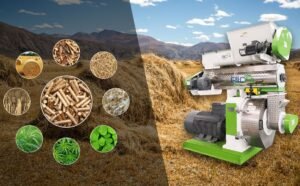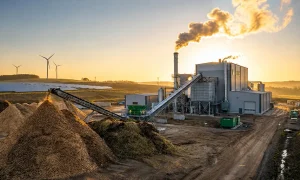
Biomass fuel pellets have become one of the most important renewable energy sources in today’s global transition toward low-carbon and sustainable energy systems. As industries, governments, and households seek alternatives to fossil fuels, biomass pellets provide a practical solution that is both environmentally friendly and economically viable.
These pellets are produced by compressing organic raw materials into dense, uniform cylinders that can be used for heating, electricity generation, and industrial combustion systems. However, the efficiency, energy output, and combustion quality of biomass pellets depend heavily on one crucial factor: the raw materials used in production.
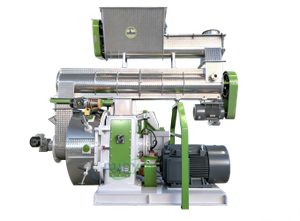
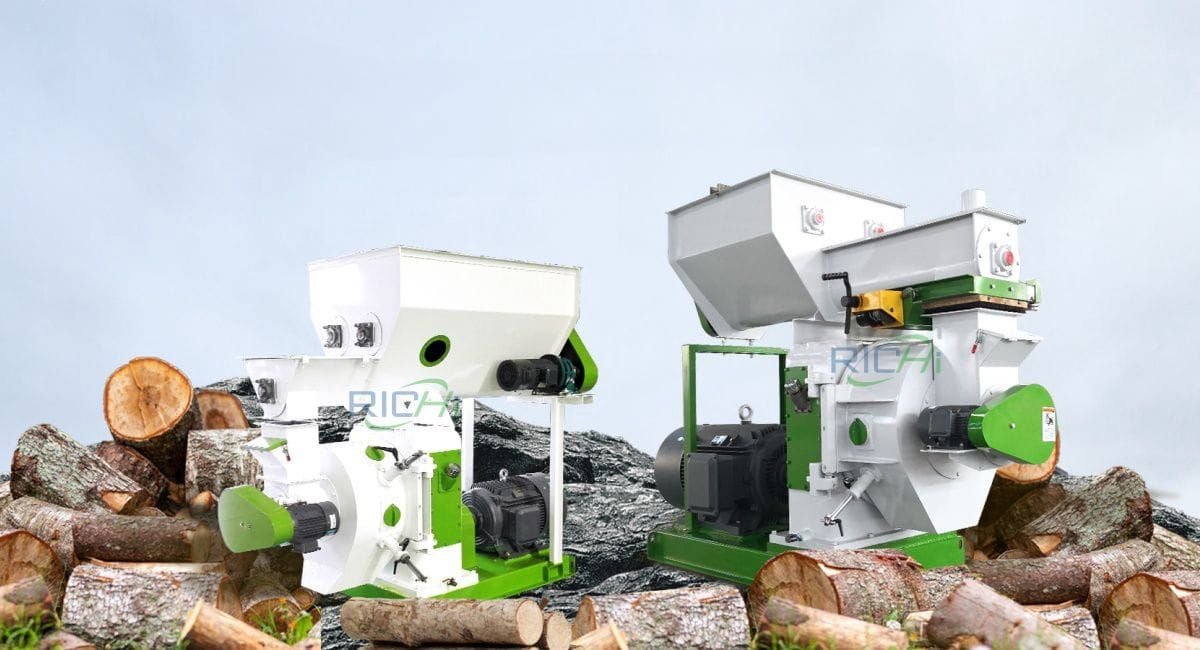
Selecting the right biomass feedstock is essential for ensuring high energy density, low emissions, stable combustion, and efficient pelletizing performance. In modern production systems, machines such as the biomass pellet mill and the peanut shell pellet mill play a vital role in converting raw materials into high-quality fuel pellets.
This article provides a comprehensive analysis of the best raw materials for biomass fuel pellets, their properties, advantages, limitations, and how they interact with pelletizing equipment.
1. Understanding Biomass Fuel Pellets
Biomass fuel pellets are solid biofuels made from compressed organic matter.
Common uses include:
- Industrial boilers
- Power plants
- Residential heating systems
- Commercial energy production
1.1 Why Raw Material Selection Matters
Raw materials determine:
- Energy output
- Pellet durability
- Ash content
- Moisture level
- Combustion efficiency
Poor-quality raw materials lead to:
- Low heating value
- High ash residue
- Poor pellet structure
- Equipment wear issues
2. Key Requirements for Biomass Pellet Raw Materials
Before selecting raw materials, it is important to understand the ideal characteristics.
2.1 Ideal Properties
Good biomass pellet materials should have:
- Low moisture content (below 15%)
- High lignin content (for binding)
- Moderate to high calorific value
- Low ash content
- Easy grindability
2.2 Importance of Fiber Structure
Lignocellulosic structure is essential because it helps:
- Bind pellets naturally
- Improve durability
- Enhance combustion stability
3. Wood-Based Materials: The Premium Biomass Feedstock
Wood remains the most commonly used raw material for biomass pellets.
3.1 Types of Wood Materials
- Sawdust
- Wood chips
- Forestry residues
- Logging waste
3.2 Advantages
- High energy density
- Low ash content
- Stable combustion
- Excellent pellet quality
3.3 Limitations
- Seasonal availability
- Higher cost in some regions
- Requires proper drying
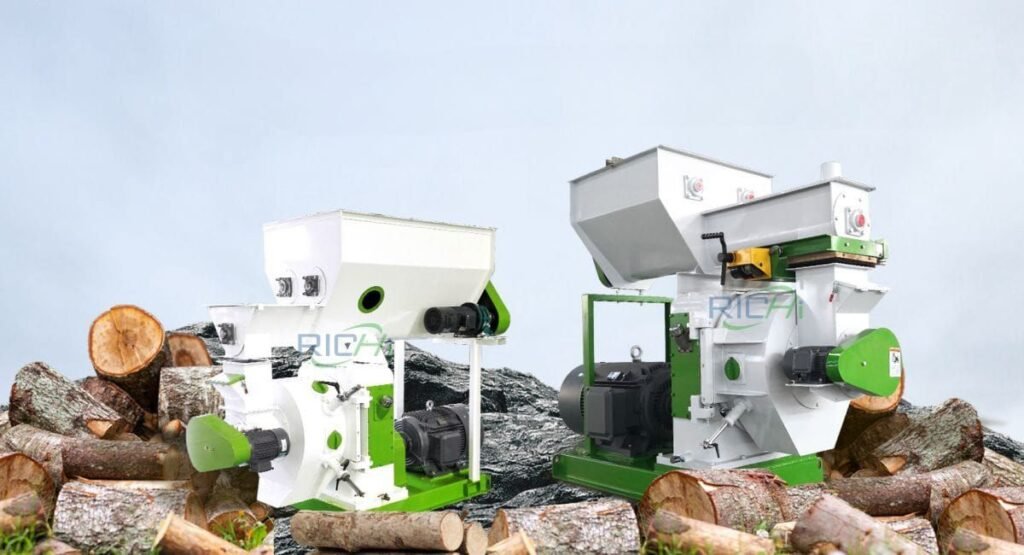
3.4 Role in Biomass Pellet Mill
The industrial biomass pellet mill performs exceptionally well with wood materials due to their:
- High lignin content
- Strong binding properties
4. Agricultural Waste: A Sustainable Alternative
Agricultural residues are increasingly used in biomass pellet production.
4.1 Common Agricultural Materials
- Rice husk
- Wheat straw
- Corn stalks
- Cotton stalks
- Sugarcane bagasse
4.2 Advantages
- Widely available
- Low cost or free
- Reduces agricultural waste burning
- Environmentally sustainable
4.3 Challenges
- High ash content
- Variable moisture levels
- Lower energy density compared to wood
4.4 Importance in Biomass Pellet Mill Systems
Agricultural materials require careful processing in the biomass pellet mill to ensure:
- Proper compression
- Stable pellet formation
- Reduced dust and fines
5. Peanut Shells: High-Potential Biomass Resource
Peanut shells are one of the most promising agricultural by-products for biomass fuel production.
5.1 Why Peanut Shells Are Valuable
Peanut shells are:
- Abundant in agricultural regions
- Rich in lignocellulose
- Suitable for combustion
5.2 Role of Peanut Shell Pellet Machine
The peanut shell pellet machine is specifically designed to process this material efficiently.
Functions:
- Crushing peanut shells into fine particles
- Compressing material into uniform pellets
- Ensuring stable fuel quality
https://pelletisingmachine.com/peanut-shell-pellet-machine
5.3 Advantages of Peanut Shell Pellets
- Low raw material cost
- Renewable and sustainable
- Good combustion performance
- Reduced environmental waste
5.4 Environmental Benefits
- Reduces agricultural waste burning
- Lowers air pollution
- Converts waste into energy
6. Corn Stalks: Abundant and Renewable Fuel Source
Corn stalks are widely used in biomass pellet production.
6.1 Characteristics
- High availability in farming regions
- Moderate energy content
- Renewable annually
6.2 Advantages
- Low cost
- Easy collection
- Sustainable resource
6.3 Limitations
- Higher ash content
- Requires processing optimization
6.4 Processing in Biomass Pellet Mill
The biomass pellet mill ensures corn stalks are:
- Properly compressed
- Converted into stable pellets
- Optimized for combustion
7. Rice Husk: High-Ash but Widely Available Material
Rice husk is another commonly used biomass resource.
7.1 Properties
- High silica content
- High ash residue
- Moderate energy value
7.2 Advantages
- Extremely abundant
- Low cost
- Agricultural waste utilization
7.3 Challenges
- High ash content reduces efficiency
- Requires blending with other materials
8. Straw Materials: Versatile Biomass Feedstock
Straw is widely used in pellet production.
8.1 Types
- Wheat straw
- Barley straw
- Rice straw
8.2 Advantages
- Renewable
- Easy to collect
- Cost-effective
8.3 Limitations
- Low density
- Requires preprocessing
9. Mixed Biomass Materials: Optimizing Pellet Quality
Many producers mix different raw materials to improve pellet quality. (Read Full Report)
9.1 Benefits of Mixing
- Balanced energy output
- Improved combustion stability
- Reduced cost
- Better pellet durability
9.2 Common Blends
- Wood + agricultural waste
- Peanut shells + sawdust
- Straw + corn stalks
10. Moisture Content and Its Importance
Moisture is one of the most critical factors in pellet production.
10.1 Ideal Range
- 10%–15% moisture content
10.2 Effects of Excess Moisture
- Poor pellet formation
- Machine clogging
- Reduced energy efficiency
11. Role of Biomass Pellet Mill in Raw Material Processing
The biomass pellet mill is the core equipment in biomass fuel production.
11.1 Functions
- Compresses raw biomass
- Forms uniform pellets
- Controls density and size
11.2 Importance in Material Flexibility
It can process:
- Wood materials
- Agricultural residues
- Peanut shells
- Mixed biomass
11.3 Contribution to Efficiency
- High production capacity
- Stable output quality
- Energy-efficient operation
12. Role of Peanut Shell Pellet Machine in Specialized Production
The peanut shell pellet machine is essential for processing specific agricultural waste.
12.1 Benefits
- Optimized for hard shell materials
- Reduces processing difficulty
- Improves pellet consistency
12.2 Industrial Importance
It allows:
- Large-scale peanut waste utilization
- Commercial biomass fuel production
- Improved rural economic value
13. Economic Considerations in Raw Material Selection
Raw materials significantly affect production cost.
13.1 Cost Factors
- Availability
- Transportation
- Preprocessing requirements
13.2 Profit Optimization
Using low-cost materials like:
- peanut shells
- straw
- corn stalks
increases profitability.
14. Environmental Impact of Raw Material Choices
Selecting proper raw materials supports sustainability.
14.1 Benefits
- Reduces waste burning
- Lowers greenhouse gas emissions
- Promotes recycling of agricultural residues
15. Challenges in Raw Material Supply
Common challenges include:
- Seasonal variation
- Storage issues
- Quality inconsistency
15.1 Solutions
- Diversified sourcing
- Proper drying and storage
- Blending multiple materials
16. Future Trends in Biomass Raw Materials
The industry is evolving toward more efficient and sustainable practices.
16.1 Emerging Trends
- Use of mixed biomass formulations
- AI-based material optimization
- Improved pelletizing technology
16.2 Role of Machinery Innovation
Advanced systems like:
- biomass pellet mill
- peanut shell pellet machine
will continue to improve efficiency and output quality.
Conclusion
The quality and efficiency of biomass fuel pellets depend heavily on the raw materials used in production. Wood materials remain the highest quality option, while agricultural residues such as straw, corn stalks, rice husks, and peanut shells offer cost-effective and sustainable alternatives.
Machines such as the biomass pellet mill and the peanut shell pelleting machine play a crucial role in converting these raw materials into efficient, high-energy fuel pellets. They ensure stable production, improve pellet quality, and enable large-scale utilization of agricultural waste.
As global demand for renewable energy continues to rise, selecting the right raw materials will remain a key factor in producing high-quality biomass fuel pellets that support clean, efficient, and sustainable energy systems worldwide.