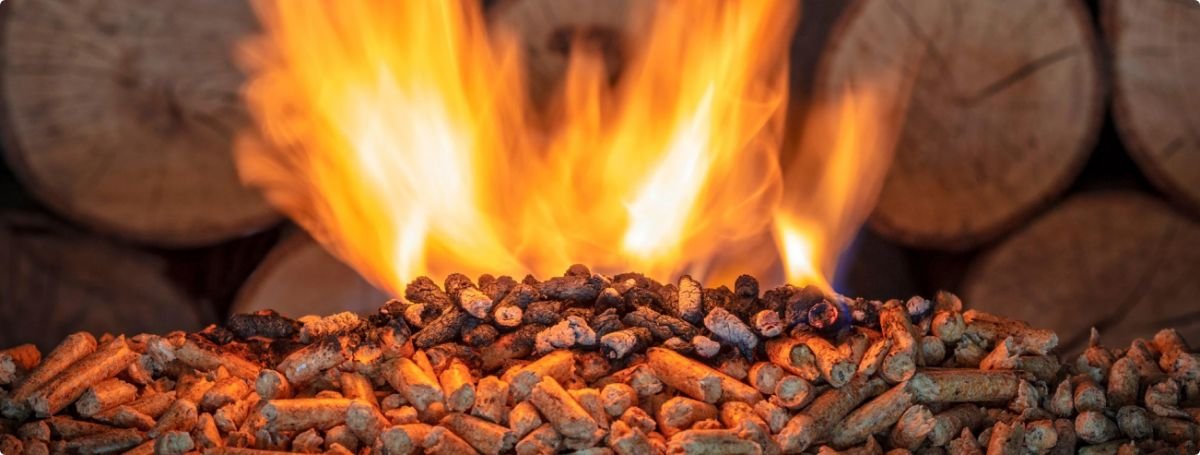
As the global demand for renewable energy continues to grow, biomass pellets have become an increasingly attractive alternative to fossil fuels. Produced from agricultural residues, forestry waste, and wood processing by-products, biomass pellets are widely used in residential heating, industrial boilers, power generation plants, and commercial energy systems. Their environmental benefits, high energy density, and ease of transportation have made them one of the fastest-growing renewable fuels in the world.
For entrepreneurs and investors, starting a biomass pellet production business offers significant opportunities. The industry benefits from growing market demand, government support for renewable energy, and the availability of low-cost raw materials in many regions. However, building a successful pellet manufacturing operation requires careful planning, appropriate equipment selection, and a clear understanding of the production process.
This guide explains the key steps involved in starting a biomass pellet production business and highlights important factors that influence profitability and long-term success.
Understanding the Biomass Pellet Market
Before investing in a pellet production facility, it is essential to understand the market.
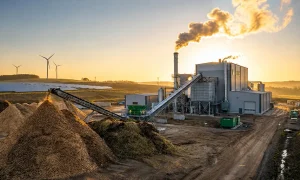
Biomass pellets are primarily used in:
- Residential heating systems
- Commercial boilers
- Industrial heating applications
- Biomass power plants
- Combined heat and power systems
- Agricultural heating facilities
Global demand for biomass pellets continues to rise due to:
- Increasing energy costs
- Carbon reduction policies
- Renewable energy targets
- Growing environmental awareness
- Expansion of biomass power generation
Many countries in Europe, Asia, and North America have implemented policies encouraging the use of biomass fuels, creating stable and expanding markets for pellet producers.
Conducting detailed market research helps identify potential customers, competitors, and pricing opportunities before launching a business.
Evaluate Local Raw Material Resources
Raw material availability is one of the most important factors in biomass pellet production.
Successful pellet manufacturers typically establish facilities near abundant biomass resources to reduce transportation costs.
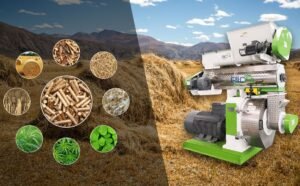
Common raw materials include:
Wood Waste
- Sawdust
- Wood chips
- Wood shavings
- Furniture factory waste
- Sawmill residues
Agricultural Residues
- Rice husks
- Wheat straw
- Corn stalks
- Cotton stalks
- Sugarcane bagasse
Forestry Residues
- Tree branches
- Logging residues
- Forest thinning materials
A reliable and long-term supply of biomass feedstock is essential for maintaining consistent production and profitability.
Before investing, calculate the annual availability of raw materials within your target sourcing area.
Develop a Business Plan
Every successful biomass pellet business starts with a comprehensive business plan.
The plan should include:
Market Analysis
Identify target customers and market demand.
Production Capacity
Determine how many tons of pellets will be produced annually.
Equipment Investment
Estimate machinery and infrastructure costs.
Operating Expenses
Calculate labor, electricity, maintenance, and raw material costs.
Revenue Projections
Forecast sales volume and expected profit margins.
Financing Strategy
Determine whether funding will come from private capital, loans, or investors.
A detailed business plan helps reduce risk and provides a roadmap for future growth.
Choose the Right Production Capacity
Biomass pellet plants can range from small operations to large industrial facilities.
Small-Scale Plants
Production capacity:
- 0.5–2 tons per hour
Advantages:
- Lower investment
- Faster startup
- Suitable for local markets
Medium-Scale Plants
Production capacity:
- 2–10 tons per hour
Advantages:
- Better economies of scale
- Broader customer base
Large-Scale Plants
Production capacity:
- More than 10 tons per hour
Advantages:
- Export opportunities
- Lower production cost per ton
The ideal capacity depends on raw material availability, market demand, and investment budget.
Select an Appropriate Plant Location
Facility location significantly impacts operational efficiency.
Ideal locations should offer:
Easy Access to Raw Materials
Reducing transportation costs improves profitability.
Good Transportation Infrastructure
Roads, railways, and ports facilitate product distribution.
Adequate Utilities
Reliable electricity and water supplies are essential.
Sufficient Land Area
Space is needed for:
- Raw material storage
- Production equipment
- Finished product storage
- Future expansion
A strategically located facility can substantially reduce operating costs.
Understand the Biomass Pellet Production Process
Before investing in equipment, business owners should understand the production process.
The typical biomass pellet manufacturing process includes:
Raw Material Collection
Biomass feedstocks are gathered and transported to the plant.
Size Reduction
Wood chippers and hammer mills reduce materials to suitable particle sizes.
Drying
Moisture content is reduced to approximately 10–15%.
Pelletizing
Pellet mills compress biomass into dense fuel pellets.
Cooling
Fresh pellets are cooled to improve durability.
Screening
Dust and broken pellets are removed.
Packaging
Finished pellets are packaged or stored in bulk.
Understanding each stage helps operators optimize efficiency and maintain product quality.
Invest in Quality Equipment
Equipment quality directly affects production performance and operating costs.
A complete biomass pellet production line typically includes:
Wood Chipper
Processes logs and branches into wood chips.
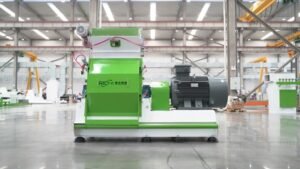
Hammer Mill
Reduces particle size for pelletizing.
Dryer
Removes excess moisture.
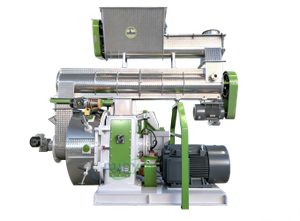
Pellet Mill
The core machine responsible for pellet production.
Cooler
Reduces pellet temperature.
Screener
Separates fines and broken pellets.
Packaging Machine
Prepares pellets for storage and transportation.
Investing in durable, efficient equipment can significantly improve long-term profitability.
The Importance of a Wood Chip Pellet Maker
One of the most important pieces of equipment in a pellet production facility is the wood chip pellet maker.
A wood chip pellet maker converts processed wood chips into dense, uniform biomass pellets through mechanical compression.
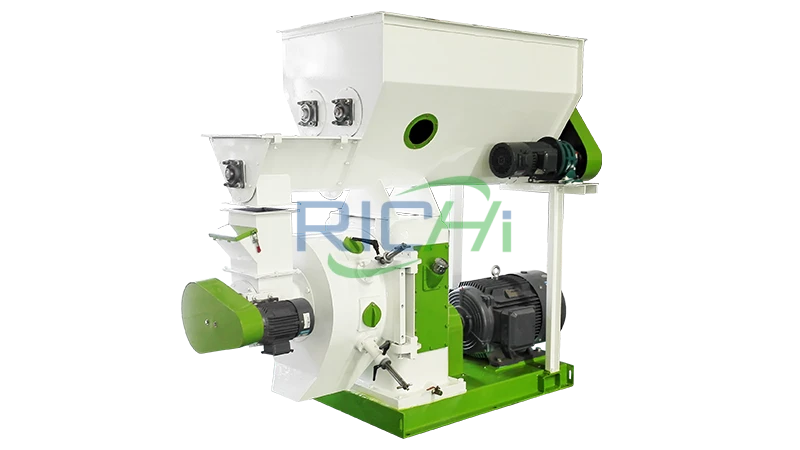
Modern machines offer several benefits:
High Productivity
They can process large quantities of biomass efficiently.
Consistent Pellet Quality
Uniform density and size improve customer satisfaction.
Lower Operating Costs
Energy-efficient designs reduce production expenses.
Flexible Feedstock Processing
Many machines can process different biomass materials.
Choosing a reliable wood chip pellet maker is critical for maintaining stable production and maximizing return on investment.
https://richipelletizer.com/wood-chip-pellet-machine
Obtain Necessary Permits and Licenses
Regulatory compliance is essential when establishing a biomass pellet plant.
Requirements vary by country and region but may include:
Environmental Permits
Approval for emissions and waste management.
Business Registration
Legal authorization to operate.
Building Permits
Approval for facility construction.
Fire Safety Compliance
Pellet plants handle combustible materials and must meet safety standards.
Consulting local authorities during the planning stage helps avoid delays and unexpected costs.
Build a Reliable Supply Chain
A stable supply chain is critical for long-term success.
Important considerations include:
Raw Material Contracts
Secure agreements with suppliers.
Transportation Partners
Establish efficient logistics networks.
Storage Facilities
Maintain sufficient inventory to avoid production interruptions.
Equipment Spare Parts
Ensure access to replacement components.
Strong supply chain management minimizes downtime and supports consistent production. (use this link)
Focus on Product Quality
High-quality pellets command better prices and attract repeat customers.
Key quality indicators include:
Moisture Content
Typically below 10%.
Bulk Density
Higher density improves transportation efficiency.
Durability
Strong pellets generate less dust.
Ash Content
Low ash improves combustion performance.
Heating Value
Higher energy content increases market value.
Implementing strict quality control procedures helps build a strong reputation in the marketplace.
Develop a Marketing Strategy
Producing quality pellets is only part of the business. Effective marketing is equally important.
Potential customer groups include:
- Power plants
- Industrial facilities
- Fuel distributors
- Heating system operators
- Agricultural enterprises
- Commercial buildings
Marketing methods may include:
Website and SEO
Generate online inquiries through industry-related content.
Trade Exhibitions
Showcase products to potential buyers.
Industry Partnerships
Build relationships with distributors and energy companies.
Digital Advertising
Promote products through online platforms.
A diversified marketing strategy helps maintain stable sales growth.
Control Production Costs
Cost management is critical in the pellet industry.
Major expenses include:
Raw Materials
Often the largest operating cost.
Electricity
Pellet production requires substantial energy.
Labor
Skilled operators and maintenance personnel are needed.
Equipment Maintenance
Regular servicing prevents costly breakdowns.
Transportation
Both inbound and outbound logistics affect profitability.
Monitoring these costs closely can significantly improve profit margins.
Explore Export Opportunities
Many biomass pellet producers sell products internationally.
Export markets often offer:
- Higher selling prices
- Larger customer bases
- Long-term supply contracts
Popular importing regions include:
- Europe
- Japan
- South Korea
To enter export markets, producers may need certifications demonstrating product quality and sustainable sourcing.
International sales can significantly expand business opportunities.
Sustainability as a Competitive Advantage
Environmental responsibility has become increasingly important in the energy sector.
Biomass pellet producers can strengthen their market position by:
- Utilizing waste materials
- Supporting sustainable forestry
- Reducing carbon emissions
- Improving energy efficiency
Customers and governments increasingly favor suppliers with strong sustainability practices.
Future Growth Opportunities
The biomass pellet industry continues to evolve.
Emerging opportunities include:
Advanced Pellet Technologies
Improved equipment efficiency and automation.
Industrial Decarbonization
Growing demand from industries reducing carbon emissions.
Biomass Power Expansion
Increased use of pellets in electricity generation.
Carbon Neutrality Initiatives
Government policies supporting renewable energy adoption.
These trends suggest strong long-term growth potential for biomass pellet businesses.
Conclusion
Starting a biomass pellet production business can be a highly profitable opportunity in today’s rapidly growing renewable energy market. Success depends on careful planning, reliable raw material supplies, appropriate equipment selection, and effective market development.
By understanding the production process, securing a stable supply chain, maintaining high product quality, and investing in efficient machinery such as a modern wood chip pellet maker, entrepreneurs can build a competitive and sustainable pellet manufacturing operation. As global demand for clean energy continues to increase, biomass pellet production is likely to remain an attractive and rewarding business for years to come.