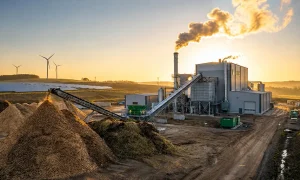
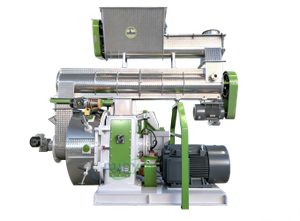
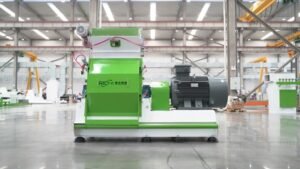
Searching for a corn stalk pellet machine for sale is often the first step for farmers, biomass businesses, and agricultural processors interested in converting crop residues into pellets. However, purchasing equipment should begin with understanding the project rather than simply comparing machine photographs or advertised specifications.
Corn stalk is widely available in many agricultural regions, but its physical condition can vary considerably. Harvesting methods, storage conditions, moisture, particle size, and contamination can all affect how the material behaves during pellet production.
Define the Intended Product
Before selecting equipment, buyers should establish what they intend to produce. Corn stalk pellets can be used as biomass fuel, while properly formulated agricultural-residue material may also enter feed-related applications. The processing requirements are not identical.
Fuel pellet production generally focuses on creating a dense, durable product suitable for storage, transportation, and combustion. Feed production has additional requirements related to formulation, conditioning, hygiene, and nutritional characteristics.
Defining the product first helps determine which auxiliary equipment will be necessary.
Compare Capacity Realistically
Machine capacity is another important consideration. A small agricultural operation may only need several hundred kilograms per hour, whereas a commercial biomass plant could require multiple tons of production each hour.
When comparing a 1-20T/H straw pellet machine for sale, buyers should look beyond the maximum figure. The actual capacity achieved with corn stalk depends on preparation, moisture, particle size, feeding stability, and operating conditions.
A machine should be matched to the available raw material rather than selected solely because it has an impressive theoretical output.
Examine the Raw Material Route
Corn stalks normally require preparation before pelletizing. Large stalk pieces may need to be reduced in size so they can move through the feeding system consistently.
Moisture deserves particular attention. If the stalks are too wet, drying may be necessary before they can be efficiently pelletized. In other cases, properly stored material may already have a more suitable moisture level.
The preparation system should therefore be designed according to actual samples rather than assumptions.
Consider the Complete Equipment Arrangement
A pellet machine works within a process. Depending on the project, the system can include crushing, drying, conveying, feeding, pelletizing, cooling, screening, and packaging.
For a customer who already has suitable prepared biomass, a pellet mill may be sufficient. For someone starting from harvested corn stalks, additional equipment is likely to be required.
The building layout should also allow material to move efficiently from one stage to the next.
What About Maintenance?
Corn stalk contains fibrous material that can create mechanical wear during continuous operation. The die, rollers, bearings, transmission components, and other working parts need regular inspection.
A buyer should understand which components are considered wear parts and how replacements are handled. Maintenance access is also important because difficult-to-reach components can increase downtime.
Technical support after delivery can be especially valuable for first-time pellet producers.
Choosing a Supplier
The equipment supplier should be able to discuss the project from both the machine and engineering perspectives. Questions about raw material preparation, capacity, moisture, pellet diameter, power consumption, installation, and spare parts should receive practical answers.
Buyers researching agricultural pellet technology can discover this info here when they need additional background before comparing equipment.
A manufacturer with experience in biomass processing may also be able to recommend different configurations according to local raw material conditions.
Looking Beyond the Purchase Price
The purchase price is important, but it should not be the only criterion. Energy consumption, maintenance requirements, expected service life, spare parts, labor, and downtime can have a much larger influence on long-term operating economics.
An inexpensive machine that cannot maintain stable production may become more expensive over time than a properly engineered system.
For this reason, Richi manufacture approaches pellet equipment as part of broader production solutions, allowing buyers to consider the pellet mill together with the surrounding processing stages.
Making a Confident Purchase
A successful corn stalk pellet project begins with a clear understanding of material supply, product requirements, production capacity, and local market conditions.
Once these factors are established, equipment comparison becomes much easier. Instead of asking which machine looks cheapest, buyers can identify which configuration is technically and commercially appropriate.
That approach reduces purchasing risk and creates a stronger foundation for turning agricultural residues into a useful pellet product.
view details:https://www.richimanufacture.com/corn-stalk-pellet-machine/