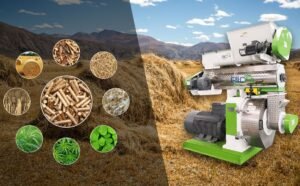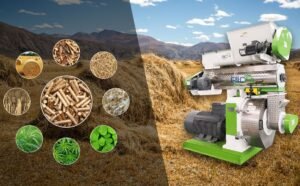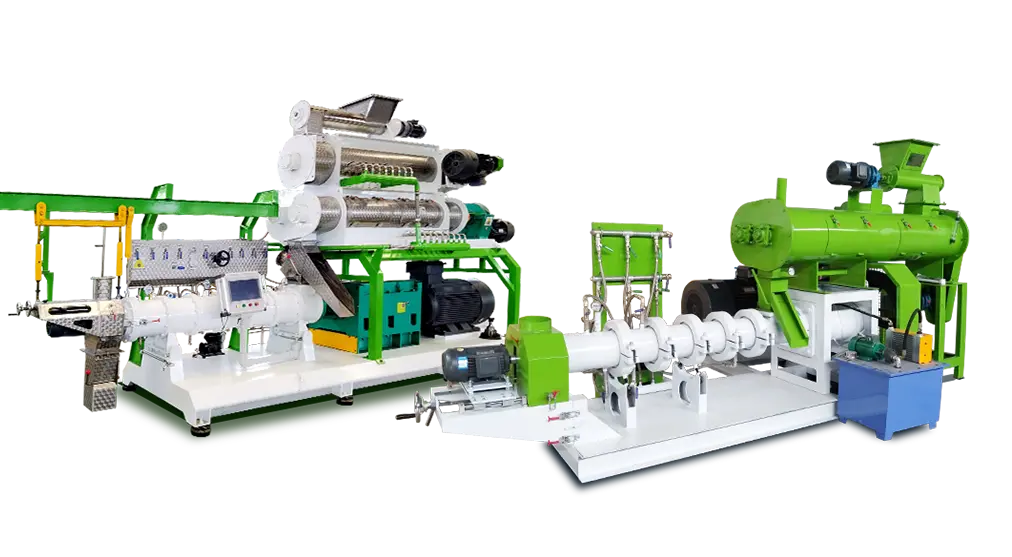
The aquaculture industry continues to embrace efficient feed processing solutions, and the twin screw fish feed extruder has become essential equipment for converting grains and proteins into nutritious, buoyant pellets. Modern fish farms rely on these machines to process materials like fishmeal, soybean meal, corn, and wheat into high-quality floating pellets that improve feed conversion ratios and reduce waste. Understanding the floating fish feed production line price landscape helps producers make informed investment decisions for operations of all scales.
Understanding Twin Screw Fish Feed Extruder Technology
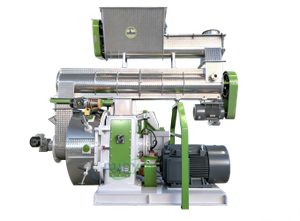
A twin screw fish feed extruder is specialized equipment designed to produce floating feed pellets through high-temperature, high-pressure extrusion . The twin-screw design offers significant advantages over single-screw configurations, including better mixing, consistent pellet quality, and the ability to handle a wider range of raw materials . Twin-screw extruders feature a self-cleaning function, making them suitable for extrusion processing of various materials and feed formulations .
The extruder operates by forcing prepared material through a die under controlled conditions. The preconditioning system ensures thorough mixing, cooking, and expansion, creating a porous internal structure that allows pellets to float on water for extended periods . RICHI offers twin-screw extruders with capacities ranging from 0.5 tons per hour to 12+ tons per hour, with steam pre-conditioning to improve pellet quality and produce smoother, higher-quality feed particles .
For more detailed information on twin screw fish feed extruder options, you can best site for comprehensive resources from Richi Pelletizer.
Floating Fish Feed Production Line Price and Models
When evaluating floating fish feed production line price, capacity and configuration are key considerations. The SPHS series twin-screw extruders from RICHI Machinery offer multiple models with prices varying significantly based on output capacity and automation level .
The SPHS75x2 model delivers 0.5-1.0 tons per hour with a 55 kW main motor, suitable for small-scale operations and family farms . The SPHS150x2 model produces 5.0-6.0 tons per hour with a 200 kW main motor, ideal for medium to large-scale commercial production . The SPHS185x2 model achieves 8.0-12.0 tons per hour with a 315-355 kW motor, serving large industrial feed plants .
According to RICHI Machinery’s price guide, twin-screw fish feed extruder prices range from approximately $77,300 for a 1.5-2.0 T/H model to $197,790 for a 10-12 T/H high-capacity unit . Complete floating fish feed production lines, including grinding, mixing, extrusion, drying, coating, cooling, and packaging systems, range from $150,000 USD to $1,200,000 USD and above, depending on configuration and automation level .
Several factors influence floating fish feed production line price: extruder type (twin-screw vs. single-screw), target production capacity, automation level (PLC control systems), pellet size requirements, and whether a complete production line solution is needed . Single-screw lines range from $60,000 to $170,000, while twin-screw lines command higher prices due to superior performance and flexibility .
For more detailed information on floating fish feed production line price options, you can best site for comprehensive resources from Richi Pelletizer.
Complete Production Line Integration
A comprehensive floating fish feed production line solution integrates multiple stages beyond the extruder. The complete production line includes milling and grinding systems for reducing particle size, mixing systems for blending ingredients such as fishmeal and soybean meal, the extruder for gelatinization and expansion, drying systems for moisture control, flavoring and coating units for oil application, and cooling and packing sections for final product handling . The twin-screw extruder is the core of this line, ensuring proper cooking and gelation of starches, producing durable, floating pellets that resist breakdown in pond conditions .
Successful implementation examples demonstrate the versatility of RICHI twin-screw extruders. A 5-6 T/H tilapia pellet making machine installed in Brazil’s Mato Grosso region processes locally sourced maize, fishmeal, rice bran, and soybean meal into high-quality floating pellets . A 0.5-1.0 T/H twin screw fish feed extruder in Turkey produces slow-sinking pellets for trout farming, achieving 12% feed cost savings . A 5 T/H fish feed extruder machine in the Netherlands replaced an aging pellet mill to improve pellet quality and processing efficiency for European eel and trout production .
Quality Considerations and Best Practices
Achieving consistent floating pellet quality requires careful attention to several parameters. Raw material particle size must be reduced to 60-200 mesh for optimal extrusion. Moisture content and temperature control during extrusion directly impact pellet expansion and buoyancy. Freshly formed pellets require proper drying to stabilize and maintain quality during storage.
The twin-screw extruder features forced lubrication and cooling systems to protect gears and bearings, extending service life. Screws are manufactured from alloy steel with special nitriding treatment for excellent hardness and high-temperature resistance . PLC control systems enable consistent production quality while minimizing labor requirements .
Summary
Investing in a twin screw fish feed extruder and understanding floating fish feed production line price offers a strategic opportunity to convert grains and proteins into valuable aquafeed. The combination of advanced extrusion technology with integrated processing systems delivers consistent quality and operational efficiency. For detailed specifications and equipment options, you can best site for comprehensive manufacturing solutions from Richi Pelletizer tailored to your specific capacity requirements and raw material sources.
view details: https://www.richimanufacture.com/floating-fish-feed-extruder-machine/